
6 Simple Food Swaps That Can Naturally Lower High Triglycerides | Cardiologist in Vadodara

High triglycerides are becoming increasingly common among Indians. Yet, many people still believe that eating too much fat is the main reason their triglyceride levels are high.
The truth is quite different.
In most cases, excess sugar, refined carbohydrates, sedentary lifestyle, and insulin resistance play a much bigger role than dietary fat alone. Your liver converts excess sugar into triglycerides, which then circulate in your bloodstream.
If left unmanaged, high triglycerides can silently increase your risk of heart disease, heart attack, stroke, fatty liver, pancreatitis, and metabolic syndrome.
The good news?
You don't need an extreme diet. A few smart food swaps can significantly improve your triglyceride levels and support long-term heart health.
In this article, we'll explore six simple food swaps recommended by cardiologists that can naturally help lower triglycerides.
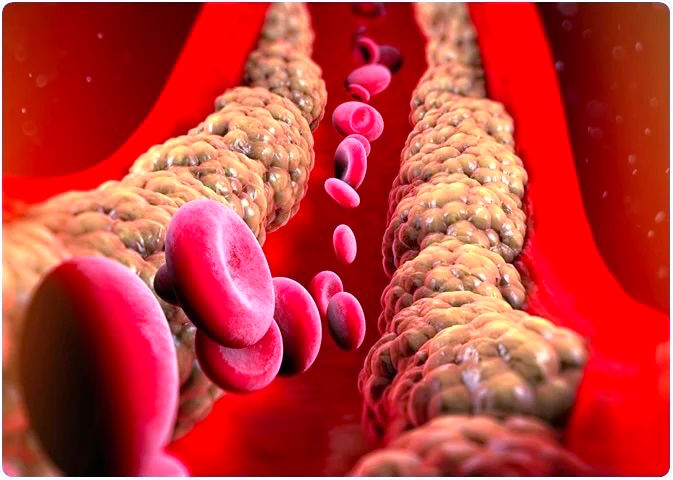
What Are Triglycerides?
Triglycerides are a type of fat found in your blood. Whenever you consume more calories than your body immediately needs—especially from sugary foods and refined carbohydrates—your liver converts the excess into triglycerides for storage.
While triglycerides are essential for energy, persistently elevated levels can damage your cardiovascular health.
According to current guidelines:
Below 150 mg/dL: Normal
150–199 mg/dL: Borderline High
200–499 mg/dL: High
500 mg/dL and above: Very High (requires prompt medical evaluation)
Why Are High Triglycerides Dangerous?
High triglycerides rarely cause symptoms, but they often occur alongside other conditions that increase cardiovascular risk, including:
High blood pressure
Diabetes
Obesity
Fatty liver
Low HDL (good cholesterol)
Insulin resistance
Over time, these conditions contribute to chronic inflammation and plaque formation inside arteries, increasing the risk of heart attack and stroke.
Food Swap #1: Replace White Rice & White Bread with Whole Grains
Instead of:
❌ White rice
❌ White bread
Choose:
✅ Millets (Jowar, Bajra, Ragi)
✅ Quinoa
✅ Steel-cut oats
✅ Brown rice (in moderation)
Why it helps
Refined carbohydrates digest quickly, causing rapid spikes in blood sugar. Excess glucose is converted into triglycerides by the liver.
Whole grains are rich in fibre, which slows digestion, improves insulin sensitivity, and helps reduce triglyceride production.
Food Swap #2: Replace Sugary Drinks with Water or Unsweetened Beverages
Instead of:
❌ Soft drinks
❌ Sweetened tea or coffee
❌ Packaged fruit juices
❌ Energy drinks
Choose:
✅ Plain water
✅ Coconut water (without added sugar)
✅ Lemon water (without sugar)
✅ Unsweetened green tea
✅ Black coffee (without sugar)
Why it helps
Liquid sugar is absorbed rapidly and is one of the quickest ways to increase triglycerides.
Replacing sugary beverages with healthier alternatives can significantly reduce your daily sugar intake.
Food Swap #3: Replace Sugary Breakfasts with High-Protein Breakfasts
Instead of:
❌ Sweetened cereals
❌ Cornflakes with sugar
❌ Jam & bread
❌ Sweet buns
Choose:
✅ Eggs
✅ Besan Chilla
✅ Moong Chilla
✅ Paneer Bhurji
✅ Plain Greek Yogurt
Why it helps
Protein keeps you full for longer, reduces cravings, stabilizes blood sugar, and improves insulin sensitivity throughout the day.
Food Swap #4: Replace Fried Snacks with Nuts & Seeds
Instead of:
❌ Chips
❌ Namkeen
❌ Bhujia
❌ Fried snacks
Choose:
✅ Walnuts
✅ Almonds
✅ Pistachios
✅ Pumpkin Seeds
✅ Flaxseeds
Why it helps
Healthy fats, fibre, and antioxidants found in nuts and seeds support better heart health and may help improve triglyceride levels when consumed in moderation.
Food Swap #5: Replace Processed Meat with Lean Protein
Instead of:
❌ Sausages
❌ Salami
❌ Bacon
❌ Processed chicken products
Choose:
✅ Fish
✅ Skinless Chicken
✅ Dal
✅ Rajma
✅ Chole
✅ Soy Products
Why it helps
Lean protein supports muscle health, improves metabolism, and helps maintain stable blood sugar while reducing excess saturated fat and sodium intake.
Food Swap #6: Replace Sugary Desserts with Whole Fruits
Instead of:
❌ Cakes
❌ Pastries
❌ Ice Cream
❌ Mithai after meals
Choose:
✅ Apples
✅ Guava
✅ Pears
✅ Berries
✅ Oranges
Why it helps
Whole fruits contain fibre, antioxidants, vitamins, and natural sugars that are absorbed more slowly compared to desserts loaded with refined sugar.
Bonus Habit: Walk for 20–30 Minutes Every Day
Food alone isn't enough.
Adding a 20–30 minute brisk walk, especially after meals, can:
Improve insulin sensitivity
Burn stored triglycerides for energy
Reduce belly fat
Improve blood pressure
Support healthy cholesterol levels
Consistency is far more important than intensity.
Foods That Can Raise Triglycerides
If your triglycerides are elevated, try limiting:
Sugary beverages
Bakery products
White bread
White rice in large portions
Sweets and desserts
Ultra-processed snacks
Excess alcohol
Refined carbohydrates
Lifestyle Changes That Help Lower Triglycerides Naturally
Besides improving your diet, these lifestyle habits can make a significant difference:
Exercise for at least 150 minutes per week
Maintain a healthy waist circumference
Get 7–8 hours of quality sleep
Avoid smoking and tobacco
Limit alcohol consumption
Manage diabetes and blood pressure
Reduce chronic stress
Can High Triglycerides Cause a Heart Attack?
High triglycerides alone may not directly cause a heart attack, but they often exist alongside conditions that significantly increase cardiovascular risk.
People with elevated triglycerides frequently have:
Diabetes
High blood pressure
Low HDL cholesterol
Obesity
Fatty liver
Insulin resistance
Together, these factors accelerate damage to blood vessels and increase the likelihood of heart attack and stroke.
Who Should Get Their Triglycerides Checked?
Regular lipid profile testing is recommended if you:
Are above 30 years of age
Have diabetes
Have high blood pressure
Have excess belly fat
Have fatty liver disease
Have a family history of heart disease
Smoke
Lead a sedentary lifestyle
Have previously abnormal cholesterol or triglyceride levels
When Should You Visit a Cardiologist in Vadodara?
Consult a cardiologist if you have:
Persistently high triglycerides
Chest pain
Breathlessness
Palpitations
Diabetes
High blood pressure
Obesity
Family history of heart disease
Abnormal lipid profile
Early evaluation can help identify cardiovascular problems before they become serious.
At Nidaan Heart Clinic, Vadodara, we provide comprehensive heart health evaluations, preventive cardiology consultations, and personalized treatment plans to help patients reduce their cardiovascular risk.
Frequently Asked Questions
What is a normal triglyceride level?
A fasting triglyceride level below 150 mg/dL is considered normal.
Can high triglycerides be reduced naturally?
Yes. Healthy eating, regular exercise, weight management, reducing added sugars, and limiting refined carbohydrates can significantly improve triglyceride levels.
Is fat the main reason triglycerides increase?
No. In many cases, excess sugar, refined carbohydrates, obesity, insulin resistance, and alcohol contribute more than dietary fat.
Which fruits are best for high triglycerides?
Whole fruits such as apples, guava, berries, pears, and oranges are generally better choices than fruit juices because they contain fibre.
Can exercise lower triglycerides?
Absolutely. Regular aerobic exercise combined with strength training can improve triglycerides, insulin sensitivity, and overall heart health.
Can someone have high triglycerides even if cholesterol is normal?
Yes. Many people have normal cholesterol levels but elevated triglycerides. This is why a complete lipid profile is important.
Is coconut water good for high triglycerides?
Plain, unsweetened coconut water can be a healthier alternative to sugary beverages when consumed in moderation.
Which Indian foods are good for lowering triglycerides?
Millets, dals, legumes, vegetables, fruits, nuts, seeds, fish, paneer, and home-cooked balanced meals are excellent choices.
Final Takeaway
High triglycerides are more than just a number on your blood report—they're a reflection of your metabolic and cardiovascular health.
The encouraging news is that small, sustainable food swaps can have a meaningful impact. Replacing refined carbohydrates with whole grains, cutting back on hidden sugars, adding omega-3-rich foods, choosing healthier snacks, and staying physically active can all help lower triglycerides naturally.
If your triglycerides remain elevated despite lifestyle changes—or if you also have diabetes, high blood pressure, obesity, or a family history of heart disease—don't ignore it. A timely evaluation by a cardiologist can help identify underlying risks and prevent future complications.
Your heart doesn't need a crash diet—it needs consistent, heart-smart choices every day.


Comments