
Is Your Waist Bigger Than Half Your Height?
- sanket saraiya
- Jun 4
- 5 min read

Is Your Belly Fat Quietly Damaging Your Heart?
Most people think belly fat is simply a cosmetic concern.
They notice their waistline increasing, their clothes fitting tighter, or a few extra kilograms on the weighing scale.
But what many people don't realize is that excess belly fat can be one of the earliest warning signs of future heart problems.
In fact, many cardiologists consider abdominal fat to be a more important indicator of cardiovascular risk than overall body weight.
If you have a growing waistline, your body may already be sending signals that your heart health needs attention.
Why Belly Fat Is Different From Other Types of Fat
Not all body fat behaves the same way.
The fat found under your skin, particularly around the arms, legs, and hips, is known as subcutaneous fat.
While excessive subcutaneous fat is not ideal, it is generally less harmful than visceral fat.
Visceral fat is stored deep inside the abdomen and surrounds important organs such as:
Liver
Pancreas
Intestines
Kidneys
This is the type of fat commonly associated with a protruding belly or "pot belly."
Unlike regular fat, visceral fat is metabolically active. It continuously releases hormones and inflammatory substances into the bloodstream that can affect your entire body.

How Belly Fat Affects Heart Health
1. Belly Fat Creates Chronic Inflammation
One of the biggest concerns with excess abdominal fat is inflammation.
Visceral fat releases inflammatory chemicals that circulate throughout the body.
Over time, this inflammation can:
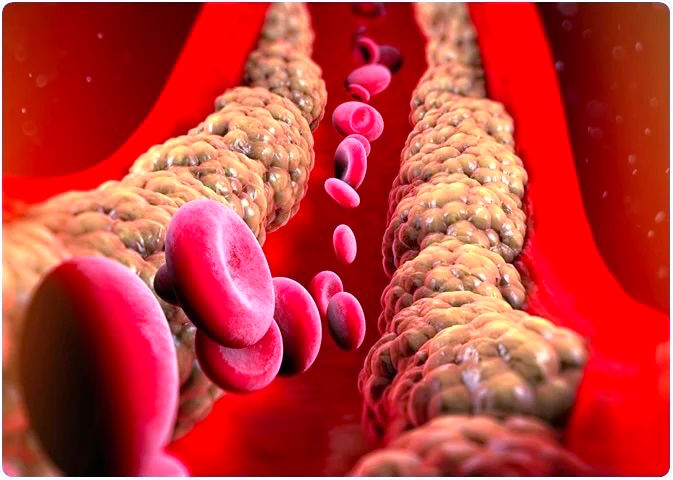
Damage blood vessel walls
Reduce arterial flexibility
Accelerate plaque formation
Increase cardiovascular risk
Heart disease often develops slowly over many years, and chronic inflammation is considered one of the major contributors.
2. Belly Fat Increases Insulin Resistance
Many people believe diabetes starts when blood sugar levels become abnormal.
However, insulin resistance often develops years before diabetes is diagnosed.
Excess visceral fat can:
Reduce insulin sensitivity
Increase insulin levels
Promote fat storage
Increase inflammation
This metabolic dysfunction can silently affect blood vessels long before diabetes appears on routine blood tests.
3. Belly Fat Can Raise Blood Pressure
Abdominal fat influences multiple hormonal systems within the body.
It can contribute to:
Increased sodium retention
Fluid retention
Activation of stress hormones
Increased arterial stiffness
Together, these changes may lead to elevated blood pressure, forcing the heart to work harder every day.
4. Belly Fat Affects Cholesterol Patterns
Many people focus only on total cholesterol.
However, excess abdominal fat is often associated with:
Higher triglycerides
Lower HDL (good cholesterol)
Increased metabolic risk
These changes can increase the likelihood of plaque formation within arteries over time.
5. Belly Fat Is Closely Linked to Heart Attack Risk
When inflammation, insulin resistance, abnormal cholesterol patterns, and high blood pressure occur together, the risk of cardiovascular disease increases significantly.
This is one of the reasons why excess abdominal fat is considered a major risk factor for:
Heart attack
Stroke
Coronary artery disease
Metabolic syndrome
Why BMI Doesn't Tell the Whole Story
Many Indians assume they are healthy because their weight is normal.
Unfortunately, weight alone does not always reflect cardiovascular risk.
A person can have:
Normal body weight
Normal BMI
No obvious symptoms
Yet still carry dangerous amounts of visceral fat.
This phenomenon is often described as:
Thin Outside, Fat Inside (TOFI)
This is particularly common among South Asians, including Indians.
That is why waist size is often a better indicator of metabolic health than body weight alone.
The Waist Size Chart Every Indian Should Know
Men
Waist Measurement | Risk Level |
Less than 90 cm | Lower Risk |
90–100 cm | Increased Risk |
Above 100 cm | High Risk |
Women
Waist Measurement | Risk Level |
Less than 80 cm | Lower Risk |
80–90 cm | Increased Risk |
Above 90 cm | High Risk |
The Waist-to-Height Rule
A simple guideline used by many health professionals is:
Keep your waist measurement below half your height.
Examples:
Height | Recommended Maximum Waist |
160 cm | Less than 80 cm |
170 cm | Less than 85 cm |
180 cm | Less than 90 cm |
If your waist circumference exceeds half your height, it may indicate increased metabolic and cardiovascular risk.
Early Warning Signs That Belly Fat May Be Affecting Your Health
Watch for these common signs:
Increasing waist size
Rising blood pressure
Elevated triglycerides
Fatty liver
Fatigue during routine activities
Shortness of breath during mild exertion
Poor sleep quality
Loud snoring
Increased sugar cravings
Difficulty losing weight despite dieting
These signs do not necessarily mean you have heart disease, but they may indicate increased cardiovascular risk.
Foods That Can Help Reduce Belly Fat
Improving your diet can significantly improve both metabolic and heart health.
Focus More On:
Protein Sources
Eggs
Paneer
Fish
Chicken
Greek yogurt
Lentils
High-Fiber Foods
Vegetables
Fruits
Oats
Chia seeds
Flax seeds
Healthy Fats
Nuts
Seeds
Olive oil
Groundnut oil in moderation
Foods to Limit
Reducing these foods may help improve abdominal fat and metabolic health:
Sugary drinks
Packaged snacks
Bakery products
Excess sweets
Refined carbohydrates
Ultra-processed foods
Best Exercise for Reducing Belly Fat
There is no single exercise that targets belly fat alone.
However, a combination of the following works best:
Daily Walking
Aim for 30–45 minutes most days of the week.
Strength Training
2–4 sessions per week can improve insulin sensitivity and support healthy body composition.
Post-Meal Walks
Even a 10–15 minute walk after meals can improve blood sugar regulation.
Consistency Matters More Than Intensity
Small habits maintained over months are often more effective than short bursts of extreme exercise.
When Should You Visit a Cardiologist in Vadodara?
Many people wait until symptoms become severe before consulting a heart specialist.
Unfortunately, heart disease often develops silently for years.
Consider consulting a cardiologist in Vadodara if you have:
Excess abdominal fat
High blood pressure
Diabetes or prediabetes
High triglycerides
Family history of heart disease
Persistent fatigue
Shortness of breath
Poor sleep quality
Multiple cardiovascular risk factors
Early evaluation can help identify potential problems before they become serious.
Frequently Asked Questions
Can belly fat increase the risk of a heart attack?
Yes. Excess abdominal fat is associated with inflammation, insulin resistance, high blood pressure, and abnormal cholesterol patterns, all of which can increase heart attack risk.
Is belly fat more dangerous than overall body weight?
In many cases, yes. Waist circumference is often a stronger predictor of cardiovascular disease than body weight alone.
What is visceral fat?
Visceral fat is the fat stored deep inside the abdomen around organs such as the liver, pancreas, and intestines. It is strongly linked to heart disease and metabolic disorders.
Can I have dangerous belly fat even if my weight is normal?
Yes. Many people have normal weight but excess visceral fat. This is particularly common among Indians and is sometimes referred to as "Thin Outside, Fat Inside."
Does belly fat affect blood pressure?
Yes. Excess abdominal fat can contribute to fluid retention, hormonal changes, and arterial stiffness, which may increase blood pressure.
Can reducing belly fat improve heart health?
Absolutely. Reducing visceral fat can improve blood pressure, insulin sensitivity, cholesterol levels, and overall cardiovascular health.
Which exercise is best for reducing belly fat?
A combination of walking, strength training, cycling, swimming, and regular physical activity is generally the most effective approach.
How does poor sleep affect belly fat?
Poor sleep can worsen insulin resistance, increase hunger hormones, and promote fat storage around the abdomen.
When should I consult a heart specialist in Vadodara?
If you have excess belly fat along with high blood pressure, diabetes, fatigue, breathlessness, abnormal cholesterol levels, or a family history of heart disease, it may be beneficial to seek professional cardiovascular evaluation.
Final Takeaway
Your weighing scale tells you how much you weigh.
Your waistline tells you much more about your future health.
Excess belly fat is not simply an appearance issue. It can be an early warning sign of metabolic dysfunction, inflammation, and increased cardiovascular risk.
The good news is that small, consistent lifestyle changes can significantly improve both heart health and long-term wellbeing.
The earlier you pay attention to these signals, the greater your opportunity to protect your heart for years to come.


Comments