
What Is Angiography? Complete Guide to Heart Angiography, Procedure, Risks & What to Expect
- sanket saraiya
- Mar 2
- 3 min read


Many people get scared when a doctor suggests angiography.
They immediately think:
“Is it surgery?”“Is it dangerous?”“Why do I need this?”
Angiography is not surgery.
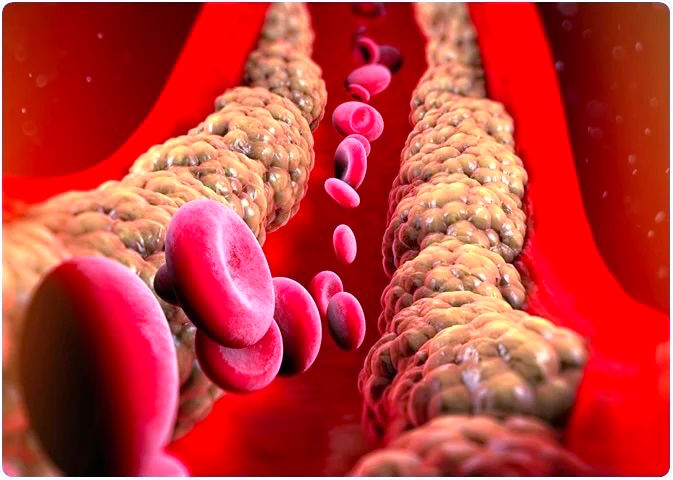
It is a diagnostic procedure used to see the inside of your heart arteries and detect blockages.
Understanding angiography properly removes fear and helps patients take timely decisions.
What Is Coronary Angiography?
Coronary angiography is a medical test that uses:
A thin catheter
Contrast dye
X-ray imaging
to visualize the coronary arteries (the arteries that supply blood to the heart).
It helps doctors see:
Whether blockage is present
Where it is located
How severe it is
How many arteries are involved
It is essentially a “map” of your heart arteries.
Why Is Angiography Done?
Angiography may be advised if:
You have chest pain suggestive of angina
ECG shows abnormal changes
Stress test (TMT) is positive
You had a heart attack
Symptoms persist despite medication
There is high suspicion of coronary artery disease
It is done to confirm diagnosis and plan further treatment.
How Is Angiography Performed?
Here’s what typically happens:
Local anesthesia is given at the wrist (radial approach) or groin.
A thin tube (catheter) is inserted into the artery.
The catheter is guided to the heart arteries.
Contrast dye is injected.
X-ray images capture blood flow inside arteries.
The entire procedure usually takes 15–30 minutes.
You remain awake throughout.
Is Angiography Painful?
Most patients feel:
Mild discomfort at insertion site
Slight warm sensation when dye is injected
It is not considered a painful procedure.
Is Angiography Dangerous?
Angiography is generally safe and routinely performed worldwide.
Possible but rare risks include:
Bleeding at catheter site
Allergic reaction to dye
Kidney stress (in high-risk patients)
Very rare heart rhythm disturbances
The overall risk is low, especially when performed in experienced centers.
What Happens After Angiography?
After the procedure:
Pressure band is applied at insertion site
Observation for a few hours
Same-day discharge in many cases
You can usually resume light activity within a day.
What If Blockage Is Found?
If angiography shows blockage, treatment depends on severity:
Mild blockage → medicines + lifestyle
Moderate blockage → close monitoring
Severe blockage → angioplasty or bypass surgery
Angiography does not treat blockage.
It helps decide the next step.
Angiography vs Angioplasty: What Is the Difference?
This is a common confusion.
Angiography = Diagnostic testAngioplasty = Treatment procedure
Angiography shows the blockage.Angioplasty opens the blockage.
They are related but different.
Who Should Not Delay Angiography?
Do not delay if you have:
Recurrent chest pain
High-risk stress test result
Diabetes + chest symptoms
Previous heart attack symptoms
Delay can increase risk of major cardiac events.
Frequently Asked Questions
Is angiography mandatory before angioplasty?
Yes. Doctors must see the exact blockage before treating it.
Can angiography prevent heart attack?
It cannot prevent it directly, but it identifies risk early.
How long does recovery take?
Most patients recover within 24 hours.
Can blockage be missed?
Significant blockages are clearly visible. Very early plaque may not always be detected.
Final Takeaway
Angiography is a safe and important diagnostic test.
It is not surgery.
It is not treatment.
It is a roadmap that helps doctors decide the right course of action.
Fear delays clarity.
Clarity protects the heart.
Medical Disclaimer
This content is for educational purposes only and does not replace professional medical advice. If you experience chest pain, breathlessness, sweating, or concerning symptoms, seek immediate medical care.


Comments