
What Is a Heart Stent? Procedure, Types, Recovery and Life After Stent Placement
- anant agrawal
- Mar 12
- 3 min read

Hearing the word stent often creates fear.
Many patients immediately think something serious has happened to their heart.
But a stent is actually a small life-saving device that helps restore and maintain blood flow to the heart.
Understanding how a stent works can remove fear and help patients focus on recovery and long-term heart protection.

What Is a Heart Stent?
A heart stent is a small metal mesh tube placed inside a narrowed or blocked coronary artery.
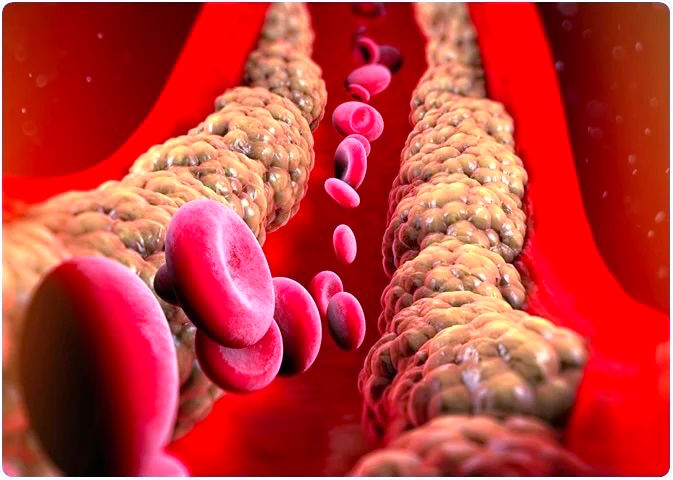
Coronary arteries supply oxygen-rich blood to the heart muscle.
When cholesterol plaque builds up inside these arteries, it reduces blood flow and may cause:
Chest pain (angina)
Breathlessness
Heart attack
A stent helps keep the artery open so blood can flow normally again.
Why Is a Stent Needed?
During angioplasty, a balloon is used to open the narrowed artery.
However, after the balloon is deflated, the artery may:
Narrow again
Collapse partially
Develop re-blockage
A stent acts like a scaffold, holding the artery open and preventing it from narrowing again.
How Is a Stent Placed?
Stent placement is performed during angioplasty.
The procedure usually follows these steps:
A thin tube (catheter) is inserted through an artery in the wrist or groin.
The catheter is guided to the blocked coronary artery.
A small balloon with a stent mounted on it is positioned at the blockage.
The balloon is inflated.
The stent expands and presses against the artery wall.
The balloon is removed, leaving the stent in place.
The stent stays permanently inside the artery.
Types of Heart Stents
There are mainly two types of stents used in modern cardiology.
Drug-Eluting Stents (DES)
These stents release medication slowly to prevent the artery from narrowing again.
They are the most commonly used stents today.
Bare Metal Stents
These are older stents without medication coating.
They are used less frequently now.
Drug-eluting stents significantly reduce the risk of re-narrowing (restenosis).
How Long Does a Stent Last?
A heart stent is designed to stay in the artery permanently.
Over time:
The artery lining grows over the stent
The stent becomes part of the artery wall
However, heart disease itself can still progress if risk factors are not controlled.
What Happens After Stent Placement?
After the procedure:
Patients usually stay in the hospital for 1–2 days
Blood-thinning medications are prescribed
Gradual activity can be resumed
Regular follow-up is required
Recovery is usually quick.
Most patients return to normal daily activities within a few days.
Medicines After Stent Placement
Medications are extremely important after a stent procedure.
Doctors usually prescribe:
Antiplatelet drugs (blood thinners)
Cholesterol-lowering medications (statins)
Blood pressure medications if needed
These medicines help prevent clot formation inside the stent.
Stopping them without medical advice can be dangerous.
Life After a Heart Stent
A stent improves blood flow but does not cure heart disease.
Long-term heart protection depends on:
Healthy diet
Regular physical activity
Cholesterol control
Blood pressure control
Diabetes management
Smoking cessation
Stress management
Lifestyle discipline plays a major role in preventing future blockages.
Can Blockage Happen Again After a Stent?
Yes, it is possible.
Although modern stents reduce the risk of re-narrowing, new blockages may develop in other arteries.
This is why continued medical care and lifestyle changes are important.
Risks of Stent Procedure
Stent placement is generally safe and widely performed worldwide.
Possible but uncommon risks include:
Bleeding at catheter site
Blood clot formation
Re-narrowing of the artery
Allergic reaction to contrast dye
In most cases, the benefits of restoring blood flow greatly outweigh the risks.
Frequently Asked Questions
Is stent placement painful?
No. The procedure is performed under local anesthesia, and most patients experience minimal discomfort.
Can I live a normal life after a stent?
Yes. Many patients return to normal activities and live healthy lives after stent placement.
Is bypass surgery always better than a stent?
Not always. The best treatment depends on the number, location, and severity of blockages.
Do stents need replacement?
No. A stent remains permanently inside the artery.
Final Takeaway
A heart stent is a small device that plays a big role in restoring blood flow to the heart.
It is not a cure for heart disease, but it is an important treatment that can relieve symptoms and prevent further damage.
The real protection comes from combining the procedure with consistent medications, lifestyle changes, and regular medical follow-up.
Medical Disclaimer
This article is for educational purposes only and does not replace professional medical advice. If you experience chest pain, breathlessness, sweating, or discomfort in the arm or jaw, seek immediate medical attention.


Comments