
Why should I limit my Sodium ?
- anant agrawal
- Sep 15, 2025
- 3 min read

Updated: Jan 30

You may have been told by your Doctor to reduce the sodium, or salt, in your diet. Most people eat too much sodium, often without knowing it. Reducing the amount of sodium in your diet can help you lower or avoid high blood pressure. Your body needs sodium to work properly. It’s regulated in the body by your kidneys, and it helps control your body’s fluid balance. It also plays a key role in nerve and muscle function. But too much sodium in your system causes your body to retain (hold onto) water. This may cause puffiness, bloating and weight gain
How does too much sodium affect my heart health?
When there’s extra sodium in your bloodstream, it pulls water into your blood vessels, increasing the amount of blood inside your blood vessels. With more blood flowing through your blood vessels, blood pressure increases. In some people, this may lead to high blood pressure. Having less sodium in your diet may help you to lower or avoid high blood pressure, which is a major risk factor for heart disease and stroke. |
How much sodium do I need?
The American Heart Association recommends no more than 2,300 mg a day and an ideal limit of less than 1,500 mg ( 1 teaspoon) per day for most adults, especially for those with high blood pressure. Even cutting back by 1,000 mg a day can improve blood pressure and heart health.
What are sources of sodium?
Many foods in their natural state contain some sodium. But the largest amount of sodium comes from processed, packaged and restaurant foods.
Pay attention to food labels, because they tell how much sodium is in food products. For e.g: foods with 140 mg or less sodium per serving are considered low in sodium. Sodium levels of the same type of food can vary widely.

What foods should I limit?
The best way to reduce sodium is to avoid pre-packaged, processed and prepared foods, which tend to be higher in sodium.
Watch out for these foods that add the most salt to your diet.
• Breads and rolls
• Pizza
• Sandwiches
• Cold cuts and cured meats
• Packaged Soup
These are some other foods can also be sources of “hidden” sodium:
• Cheeses and buttermilk
• Canned vegetables
• Frozen dinners and snack foods
• Condiments (ketchup, mustard, mayonnaise, pickle)
How can I cook with less salt and more flavor?
• Avoid adding table salt to foods.
• Flavor foods with herbs, spices, lemon, lime, vinegar or salt-free seasoning blends.
•Use fresh poultry, fish and lean meat, rather than canned, smoked or processed types.
• Choose unsalted nuts and low-sodium canned foods.
• Cook dried peas and beans.
• Use products made without added salt
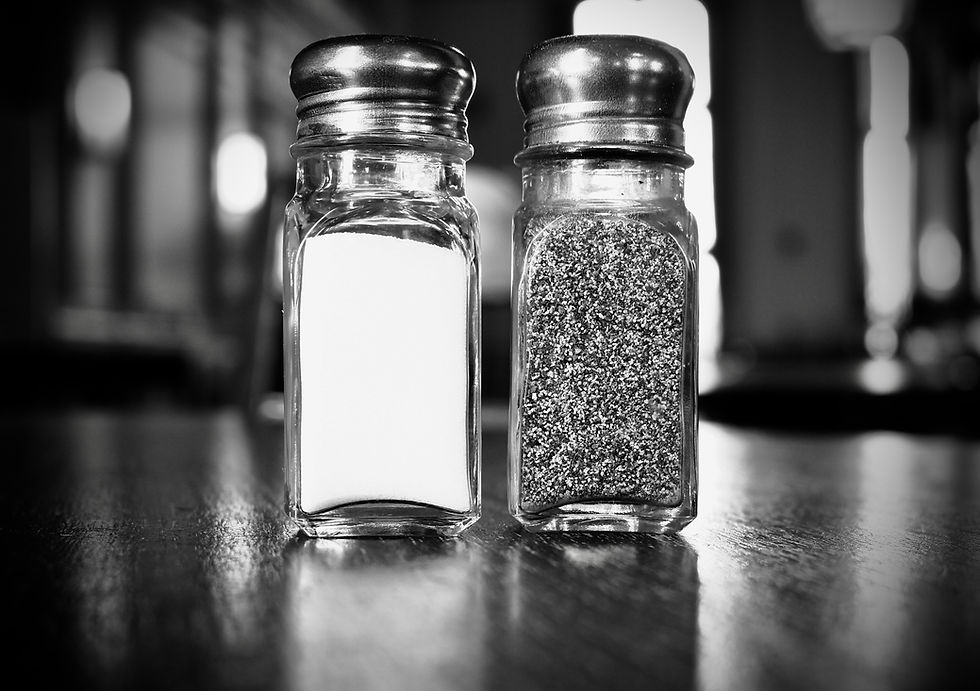
Which type of salt I should use?
All types of salts including common salt, rock salt and black salt have almost same content of sodium. So whatever salt you choose, use it to the prescribed limits.
What about eating out?
Controlling your sodium intake doesn’t mean spoiling the pleasure of eating out. But order carefully. Consider these tips for meals away from home:
• Select fresh greens and fruits when available. Ask for oil and vinegar to top your salad or ask for the dressing on the side.
• Be specific about what you want and how you want your food prepared.
• Request that your dish be prepared without added salt.
• Remember portion control. You can always bring home a to-go box!
This advice doesn’t apply just for the patient but for each and every person at home because PREVENTION IS BETTER THAN CURE !!


Comments